- Home
- TV
- Current Affairs
- TV licence fee tipped to be extended to all streaming services including Netflix - even if not watching BBC
❚ We may earn commission from links on this page. Our editorial is always independent (learn more).
TV licence fee tipped to be extended to all streaming services including Netflix - even if not watching BBC
Reports say subscribers could face the £180 fee by 2028, with YouTube remaining outside its remit.
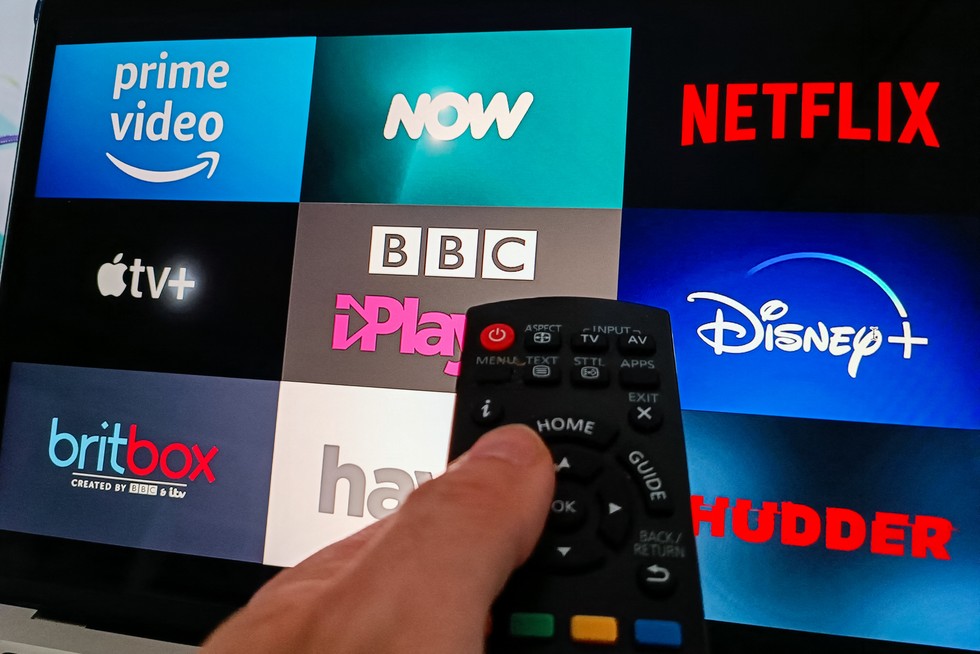
Riccardo Milani / Hans Lucas / Hans Lucas via AFP / Getty Images
- David Craig
Published: Sunday, 29 November 2026 at 10:29 am
Subscribe to Radio Times: 10 weeks for £10, including the Christmas double issue

Streaming service subscribers in the UK may have to pay the licence fee even if they never watch a BBC programme, under plans reported to be nearing announcement by the government.
Ad
According to The Sunday Times, users of platforms including Netflix, Prime Video, Disney+, Discovery+, Paramount+, NOW and HBO Max would have to pay the £180 annual fee on top of their subscriptions as part of a major overhaul of how the corporation is funded.
Currently, viewers must pay the licence fee if they watch live television on any channel or use BBC iPlayer, but not for holding other separate streaming subscriptions.
The reform is reportedly due to be announced before Christmas by Lisa Nandy MP, the culture secretary, but would not take effect until 2028 at the earliest, when the next BBC Charter begins.
A spokesperson for the Department for Digital, Culture, Media and Sport told Radio Times: "The BBC must be funded by a model that is sustainable and fair to all those that are paying it.
"Through Charter Review, we are looking at a range of options, including how the licence fee could be reformed, but no final decisions have been made."
Any decisions made are expected to be outlined in detail in a white paper produced for the government.
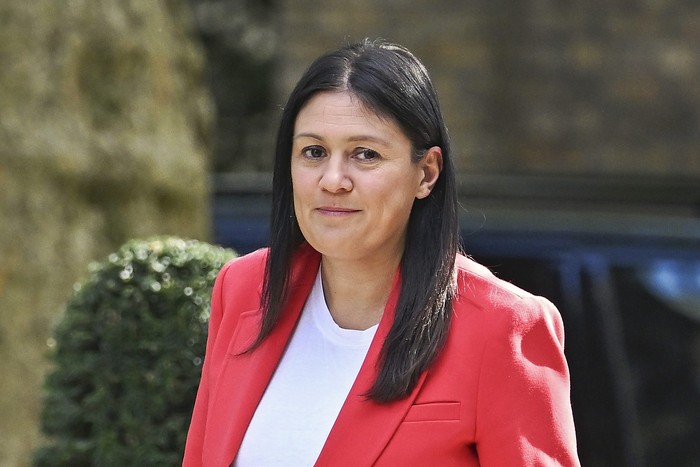
Secretary of State for Culture, Media and Sport, Lisa Nandy, is tipped to be announcing the plans before Christmas. Getty
Such a move would mark the biggest change to the licence fee in 80 years, drawing millions more households into paying the levy.
According to The Sunday Times' report, YouTube is expected to be exempted from the plans, along with social media platforms such as Instagram and TikTok, because viewing there tends to be free and much of the content is user-generated. The services of BBC radio stations and its news website would also be unaffected.
The newspaper notes that government ministers will argue the change is essential to secure the BBC's future, following years of cuts and a drop in households paying the licence fee - with a further decline expected in the coming years.
A Whitehall source told The Sunday Times: "The BBC is a vital national asset. If we do nothing, your options are slow death or quick death. For it to survive, you need to put it on a firm financial footing. That is what we will choose."
Want to see this content?
This page contains content provided by Google reCAPTCHA. We ask for your permission before anything is loaded, as Google reCAPTCHA may use cookies and other technologies. To view this content, choose 'Accept and continue' to allow Google reCAPTCHA and its required purposes.
Accept and continue
The Conservative Party's shadow culture secretary Rebecca Paul opposes the idea of extending the licence fee to people using streaming services.
"The prime minister talks endlessly about giving hardworking families breathing space. Imposing yet another bill on millions of households makes a mockery of that aim," she argued to the newspaper.
The proposals could also make streamers wary, with an industry source telling The Sunday Times that YouTube's exemption would likely "wind up" its competitors.
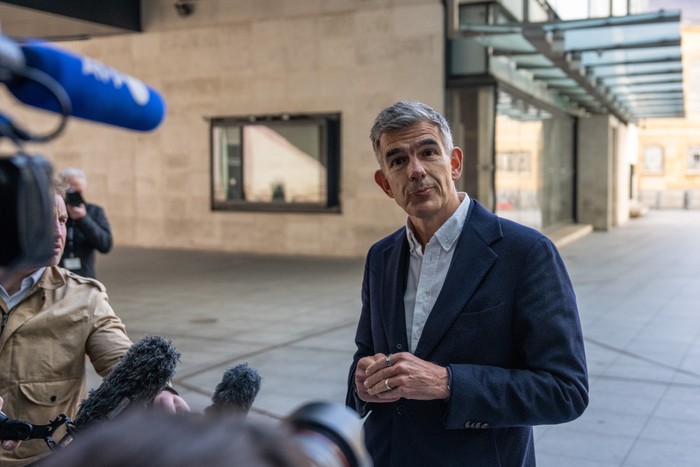
BBC director-general Matt Brittin has already made cuts to the broadcaster's services. Carl Court/Getty Images
Although the site primarily runs on user-generated content, the BBC, Channel 4 and other broadcasters have also upped their production for the Google-owned platform in recent years.
The reports come after the BBC confirmed in October that it will close BBC Three, BBC Scotland and BBC Radio 4 Extra linear broadcast services in spring 2027.
The move comes as the corporation faces pressure to make savings of £500 million by 2028, with previous cuts across the BBC already having been revealed.
In addition, about 100 jobs will also be axed at BBC News, while the channel closures will result in further job losses, including 10 in Scotland.
Ad
Check out more of our Entertainment coverage or visit our TV Guide and Streaming Guide to find out what else is on. For more TV recommendations and reviews listen to The Radio Times Podcast.
Authors

David CraigSenior Drama Writer
David Craig is the Senior Drama Writer for Radio Times, covering the latest and greatest scripted drama and comedy across television and streaming. Previously, he worked at Starburst Magazine, presented The Winter King Podcast for ITVX and studied Journalism at the University of Sheffield.
Ad
Ad

Last chance for the Christmas issue
The window to get the Radio Times Christmas double issue closes on 3 December. Skip the festive scroll and plan your viewing.
Loading...
Ad
Loading...