- Home
- TV
- Documentaries
- Grand Designs star Kevin McCloud makes plea as he reveals why Britain's towns are losing their identities
❚ We may earn commission from links on this page. Our editorial is always independent (learn more).
Grand Designs star Kevin McCloud makes plea as he reveals why Britain's towns are losing their identities
Banish today’s identikit “ultra-processed buildings” and look to the past, says Kevin McCloud.
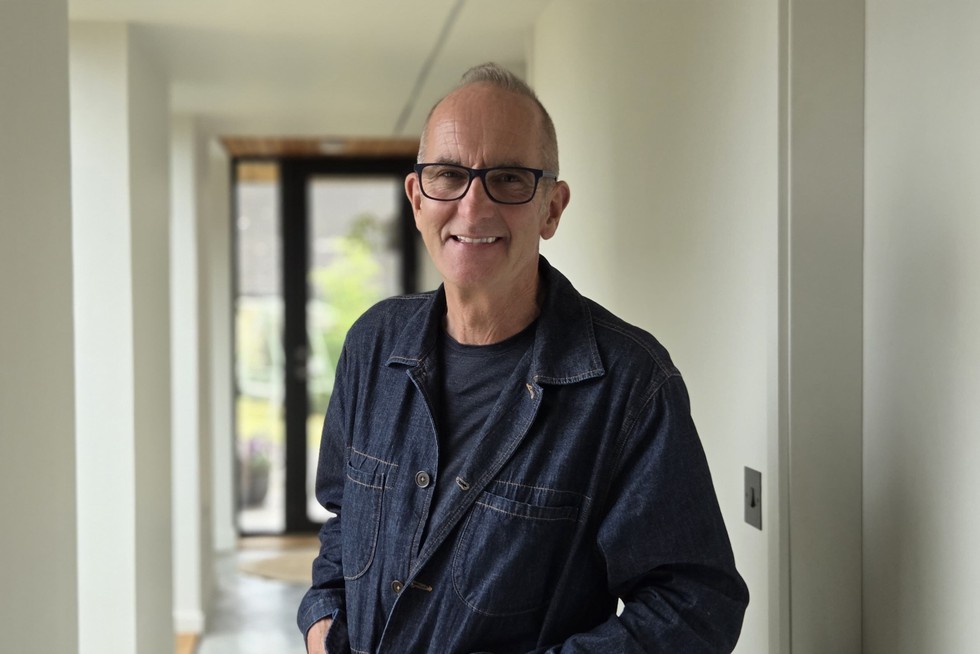
Channel 4
- Kevin McCloud
Published: Saturday, 28 November 2026 at 12:00 am
Subscribe to Radio Times: 10 weeks for £10, including the Christmas double issue

This article first appeared in Radio Times magazine.
Ad
Our cities and towns are beginning to look the same. Across the country, public buildings, new build homes, cinemas and shopping outlets look like they’ve been designed and built by the same person – with not very much talent to boot.
Why is a doctors’ surgery or retail park in Newcastle an identikit version of one in Reading? The problem lies in a lack of money, skills and creativity.
Construction is expensive and the industry hasn’t trained people properly since the 1980s. It’s also simpler for a developer to rely on a kit of parts or a well-tried formula – the architectural equivalent of a ready meal.
So how do we reverse this and banish the boring, build better and more affordably and with a greater eye for design? What’s the antidote for ultra-processed buildings? The answer lies in our past.
In Balsall Heath in Birmingham, a community that sits in the top one per cent of UK deprived neighbourhoods, Moseley Road Baths, once tired and abandoned, are being returned to their former Edwardian stained-glass and terrazzo majesty. If Wes Anderson made a movie in the city the baths would be the star; a watery wonderland.
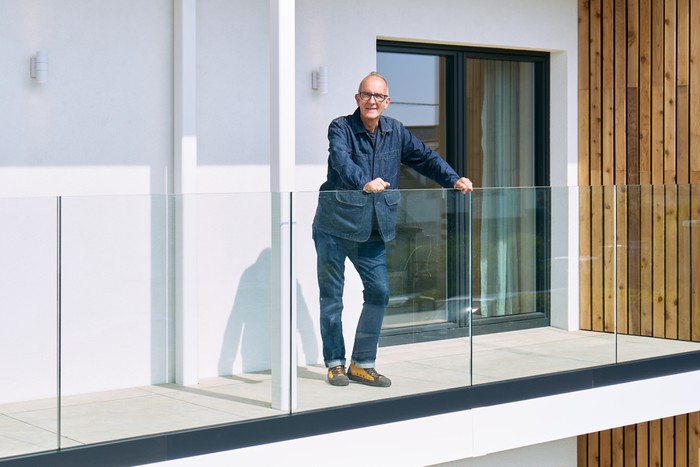
Kevin McCloud on Grand Designs. Channel 4
The project costs £32.7 million, about the price of a medium-specification community sports centre and swimming pool, which we can safely say would have been the ready-meal option.
But once restored – and set for a 2028 reopening – this historic jewel will glint and glitter as it did when it first opened in 1907, reminding us of the care, craftsmanship and civic pride that used to imbue our built environment.
With financial support from the National Lottery Heritage Fund, Birmingham City Council and others, the Baths will serve a community and be run by that community. It is already a restoration project of international standing.
Reimagining (instead of demolishing) a century-old building like this saves vast quantities of carbon. So, Moseley Road Baths have become a key project at the centre of an argument about how we build in the 21st century.
The campaign Don’t Waste Buildings leads this movement, to not knock down but to find new lives for existing edifices, from cooling towers (as seen in my Channel 4 series Listed Britain) to retail emporia (think M&S’s shameful – but approved – plan to demolish their 1930 Oxford Street store in London) to giant cotton mills in Lancashire.
Want to see this content?
This page contains content provided by Google reCAPTCHA. We ask for your permission before anything is loaded, as Google reCAPTCHA may use cookies and other technologies. To view this content, choose 'Accept and continue' to allow Google reCAPTCHA and its required purposes.
Accept and continue
I see examples all over the country of communities taking action to save their heritage and repurpose it. To do so, they’re harnessing three magical energies that often elude developers: memory, creativity and passion.
We’re not good at respecting the potential of human creativity in this country. If we were, for every kit-form, ultra-processed new civic building we’d have ten or a hundred reimagined old structures. Our built world would mainly consist not of new glass towers but converted warehouses, repurposed 1930s cinemas and 19th-century terraced streets retrofitted for a low carbon future. Oh, and cooling towers.
If you feel saddened or angry by the destruction of places around you, you might think you can do nothing about it. But voices matter. You don’t have to go on marches, paint placards and shout, or organise a sit-in. But you can support the people who do.
You can make the tea or a small donation. You can stitch a memorial blanket, organise a picnic, print T-shirts, research and find expertise, write a poem – memorialise the building in a thousand creative ways.
All these things can help save an old place because they are acts of celebration. Because these campaigning ideas spring from the same place that great buildings do: our imagination.
The latest issue of Radio Times is out now – subscribe here.
Grand Designs: House of the Year begins Wednesday 2 December at 8pm on Channel 4. Catch up on Channel 4 streaming.
Ad
Check out more of our Documentaries coverage or visit our TV Guide and Streaming Guide to find out what's on. For more TV recommendations and reviews, listen to The Radio Times Podcast.
Authors
Kevin McCloud
Ad
Ad

Last chance for the Christmas issue
The window to get the Radio Times Christmas double issue closes on 3 December. Skip the festive scroll and plan your viewing.
Loading...
Ad
Loading...